
Interior Living
Realistic investment ranges, the design process, timelines, and the questions worth asking before you build.

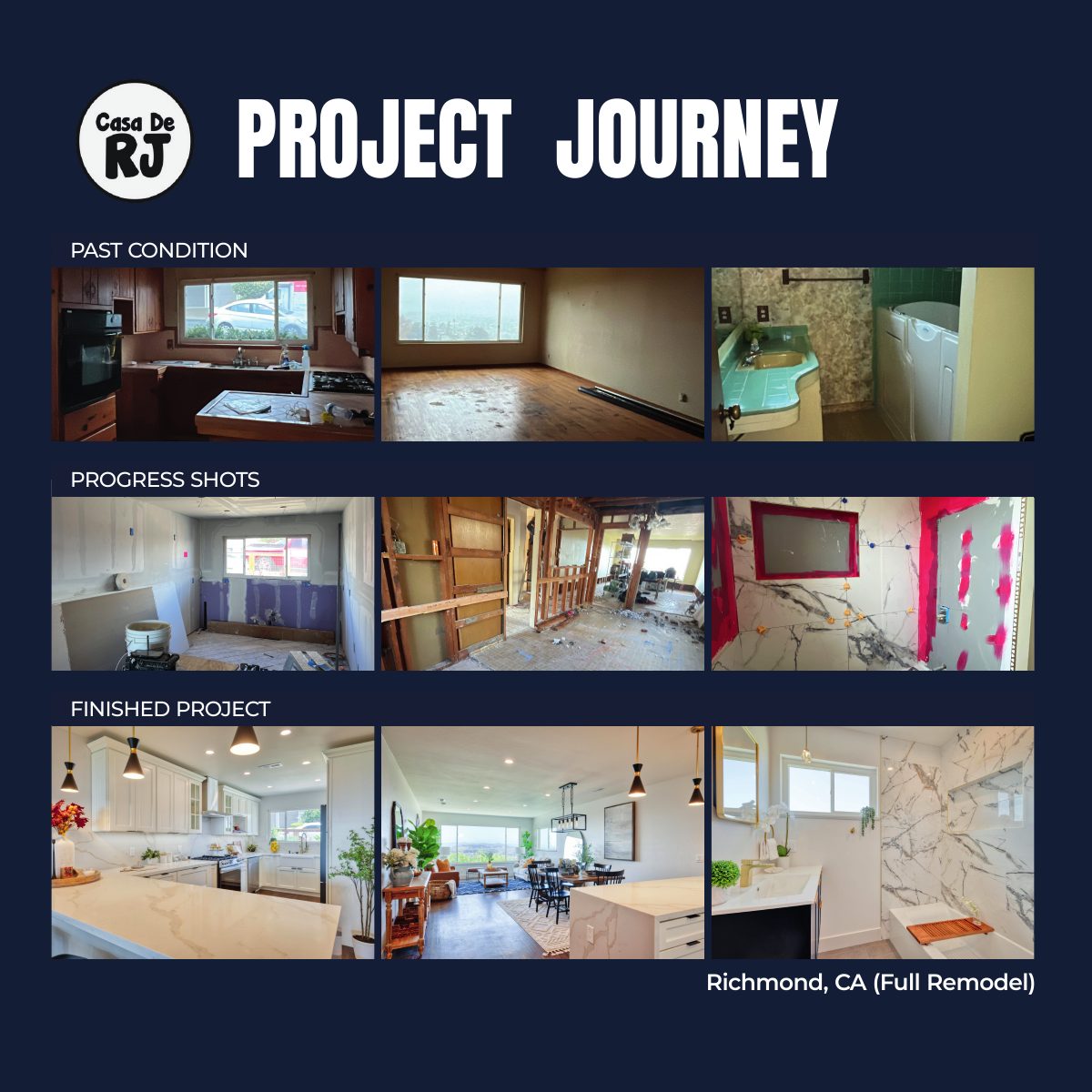
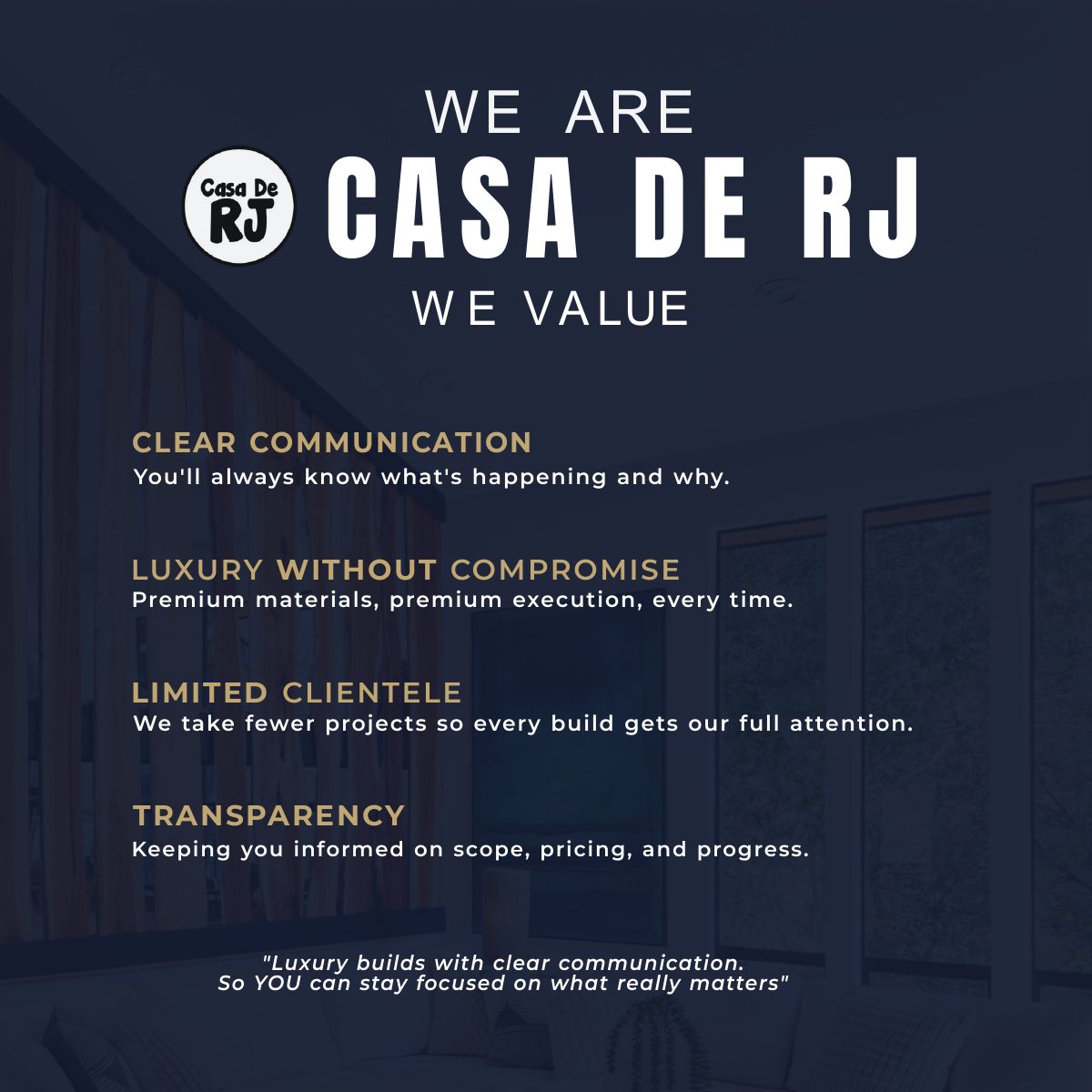
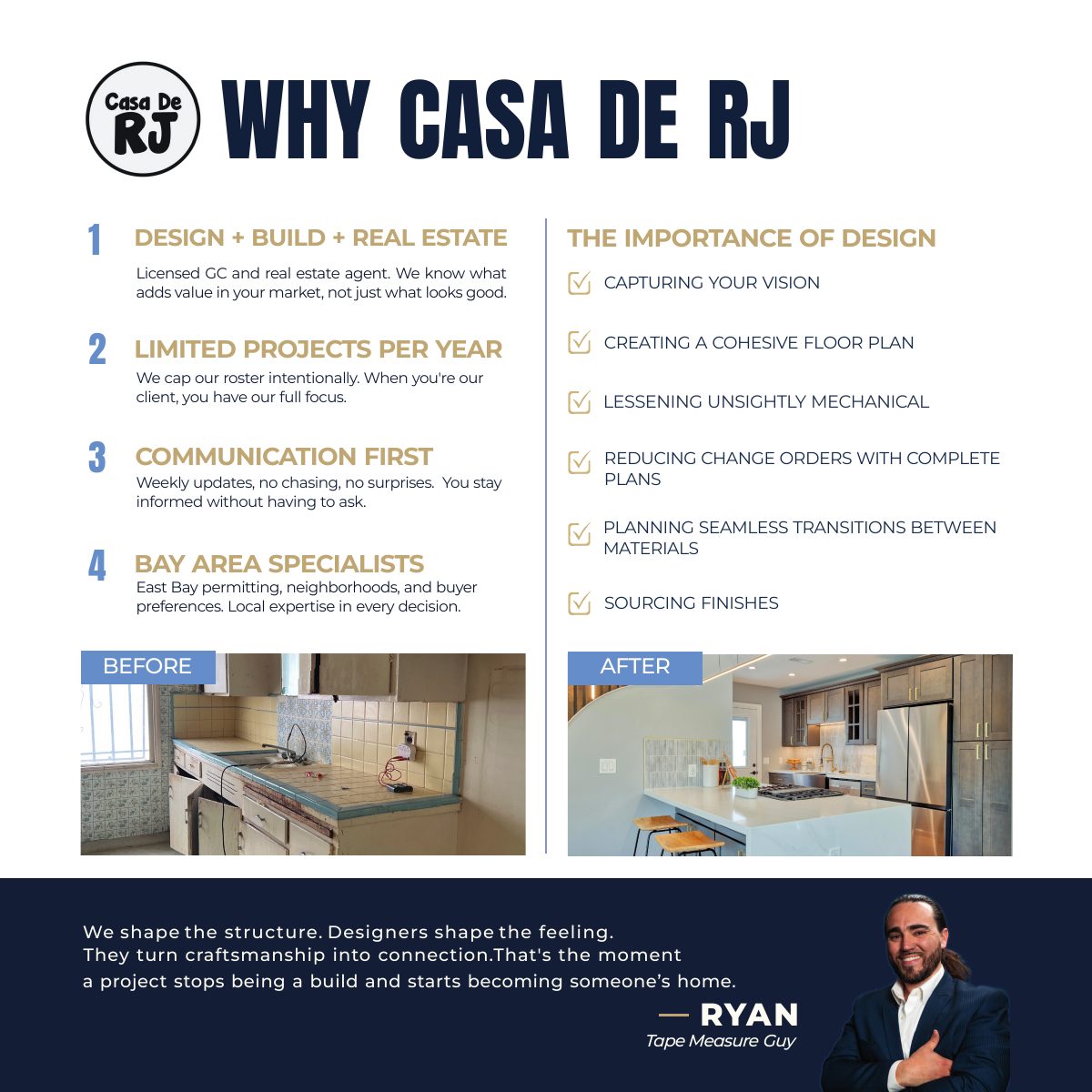

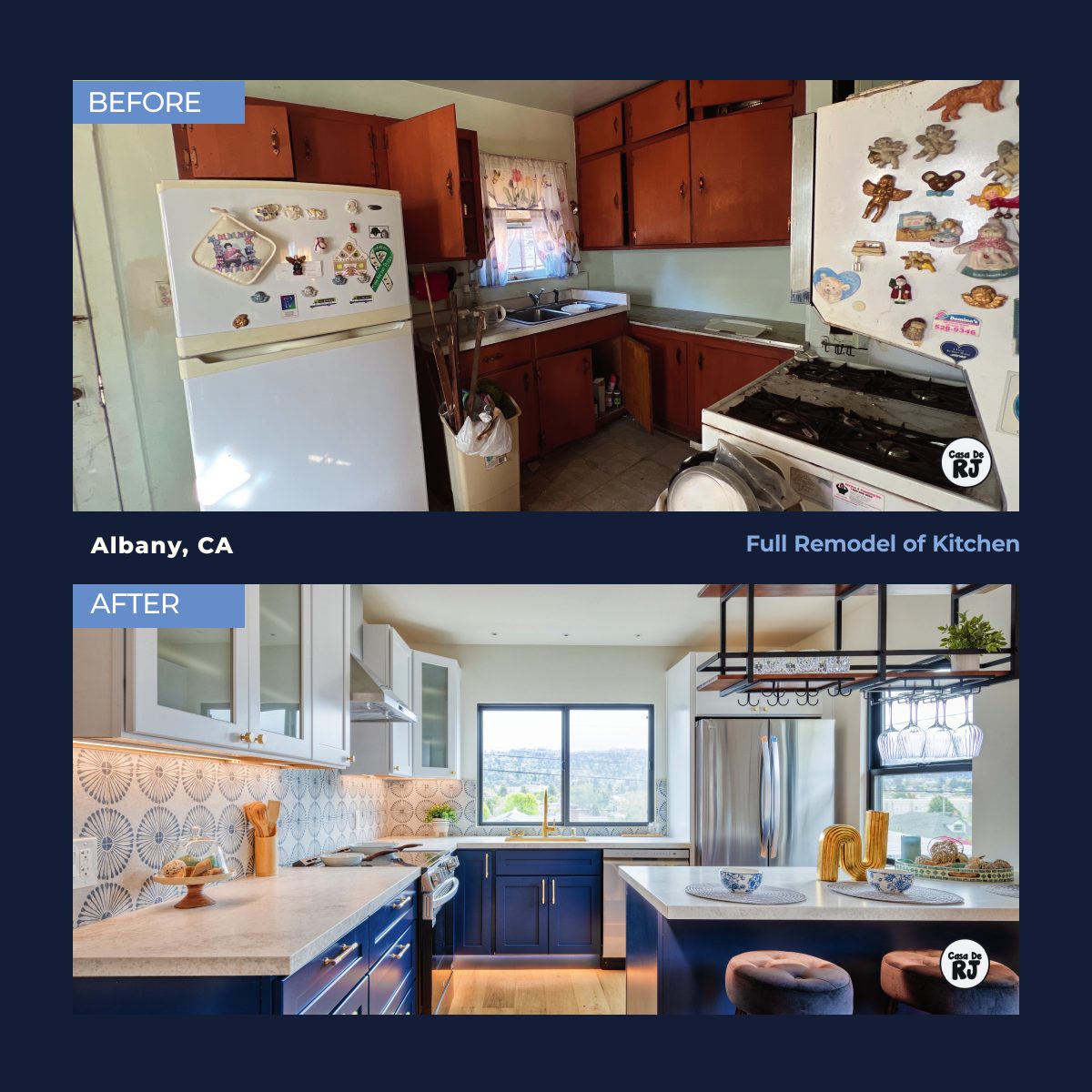

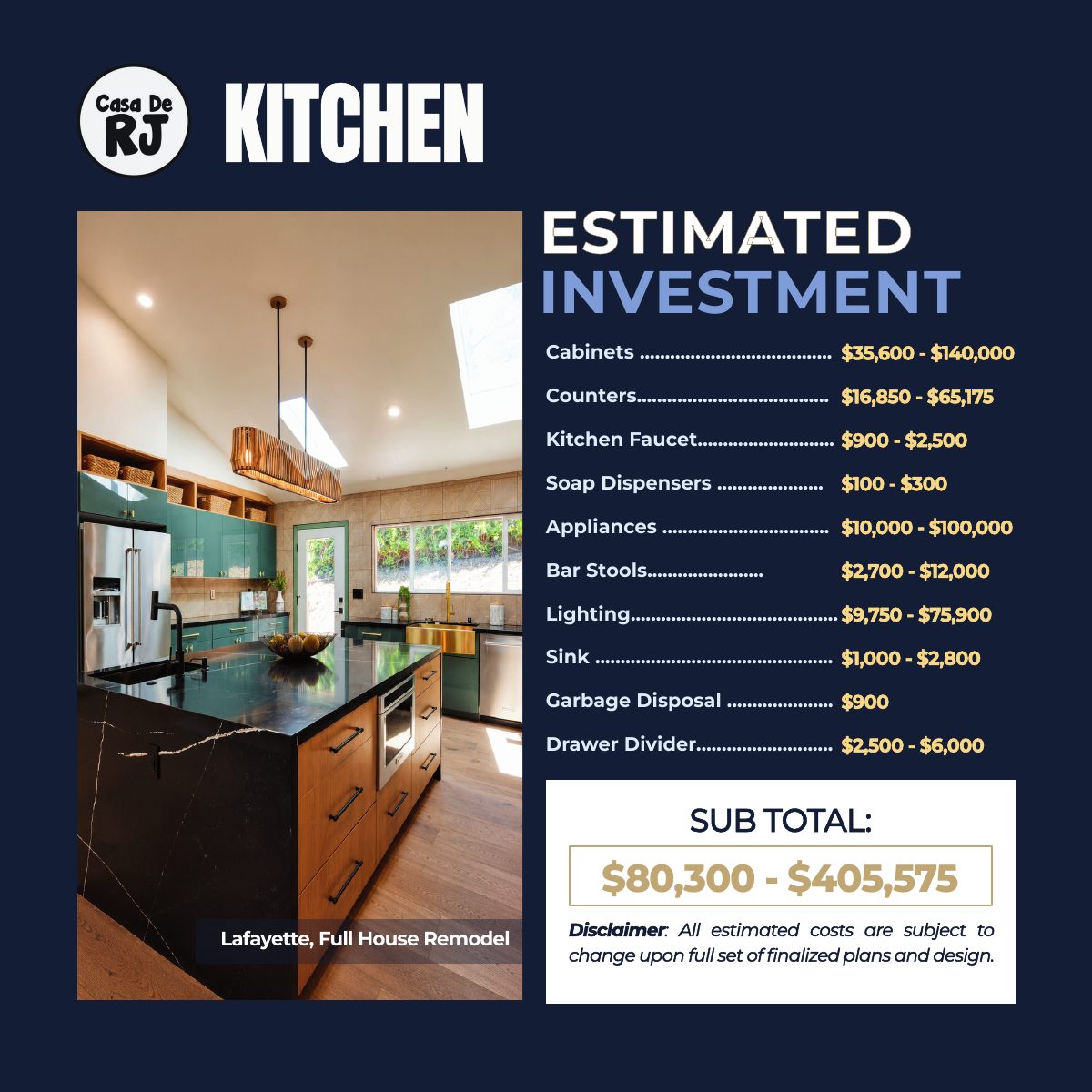



Request your copy
Tell us a little about your home and we’ll send the workbook to your inbox.
- 01Realistic investment ranges
- 02The design process, step by step
- 03Timelines from walkthrough to move-in
- 04Questions to ask before you build
On building, budgets, and the fun part
RJ started Casa de RJ rehabbing homes for real estate investors. Today the firm designs and builds for Bay Area homeowners who want something their friends don’t have. We asked him about the industry, the money, and why a job site should be fun.
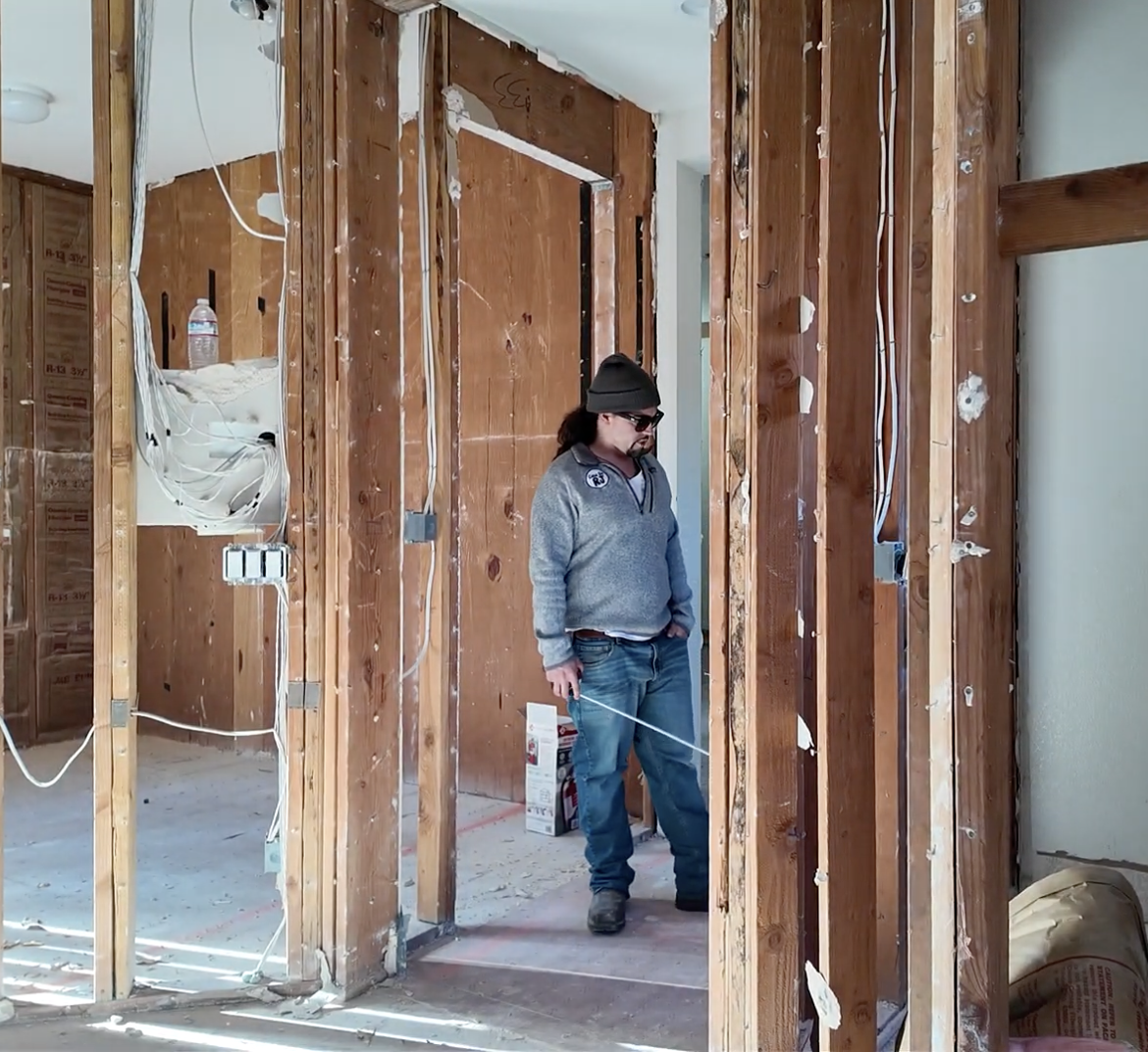
Why do you take on so few projects?
Because I want to know the family — and the story of the house — before we touch a wall.
I · The Approach
How would you describe the way Casa de RJ builds right now, and how has that changed since you started?
When we started, our client was the investor flip: buy, rehab, sell. Investors like to play it safe. Even bringing the original hardwoods back in a dark finish met resistance. We pushed it through, but everything else stayed conservative.
Berkeley and San Francisco let us push the envelope. Homeowners here gravitate toward design that’s fun, unique and striking — they want something their friends don’t have. That’s where we have the most fun: clients who don’t want cookie-cutter. We study what great designers are doing, borrow from the best of it, and put our own creative twist on it.
II · The Industry
In the Bay Area, remodel horror stories are almost their own genre: blown budgets, contractors who disappear, projects that drag on. Why does it go wrong so often, and what do you do differently?
It happens to me too, with subs — especially on new assemblies we haven’t built before. You have to build in flexibility. But a lot of it comes from two places. First, unrealistic budgets: builders don’t want to lose the job, so they make their bids look as attractive as possible. Second, incomplete design. No surprise there.
What we’ve learned is that design has to ramp up fast. Clients are eager to start, and time is money — but it takes money to buy time. We bring in multiple designers, each working to their strength, with a principal designer holding continuity across color, furniture, lighting and landscape alongside the architect.
And bring the GC in from day one, retained as a consultant. You need to know which ambitious ideas will strain the infrastructure, and what they’ll mean for maintenance. Plan, plan, plan. Spending upfront can save you a fortune in change orders later.
“Time is money — but it takes money to buy time.”
III · The Memory
What’s one of your earliest memories of building?
Building has always been around me, even before I noticed it — the building shows, computer games like Tonka and The Sims. My earliest memories are putting up fences with my dad’s friends and building my sister’s playhouse out of T1-11 siding.
Later, in 2011, while I was working in restaurants, we started a nonprofit teaching Oakland youth about farming. That had me building planter beds, greenhouses and arbors.
IV · The Money
Every homeowner wants to know what it will really cost before they fall in love with a plan. When do you have that conversation?
As early as possible. It starts one of two ways: “Here’s what I want — what do you think it’ll cost?” or “Here’s our budget,” and we reverse-engineer from there. The hard part is working within a limited budget without a crystal ball. You never want to say no to an idea, but we do have to exercise financial responsibility.
That’s why we hold a 10–20% change-order allowance from the start. If a builder isn’t bringing that up, I get it — they want the job. But every project has unknowns, and it’s important to plan for them.
V · The Tuesday
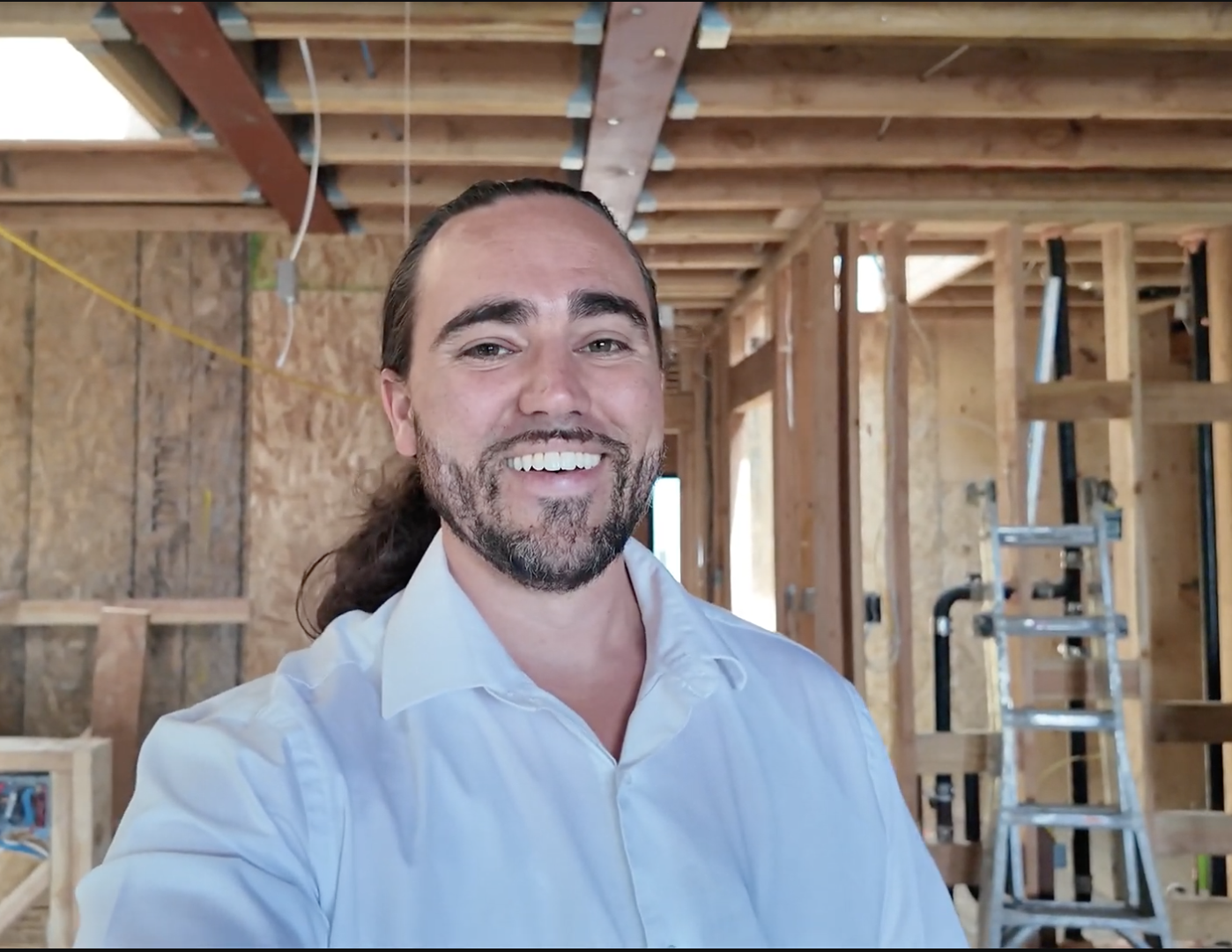
What does a Casa de RJ job site feel like on an ordinary Tuesday?
Ideally? The design is finished and every sub is on schedule. And if I’m on site, expect some trolling. We keep the vibe light — it matters that our teams are having fun.
VI · The Question
What’s the one question homeowners should ask a builder, and almost never do?
“What are the threats to our project? Is anything missing from our design package or construction documents?” Ask it whether they’re your builder or you’re paying them to consult. A lot of contractors are busy — they’ll rough out a number and count on change orders to make up the difference.
Another big one that keeps coming up for us on ADUs: PG&E’s electrical engineering. It’s completely outside our control.
So what are you really building?
We shape the structure. Designers shape the feeling. My job is to bring the two together — until a project stops being a build and starts becoming someone’s home.
Let’s walk your house
Book a ConsultationCasa de RJ · Design + Build · CSLB #1084784 · Bay Area, CA
(510) 590-6291 · Privacy Policy